The federal budget is more than a stack of numbers—it’s a plan that affects how much you pay for groceries, how long you wait for healthcare, and how easy it is to afford a home right here in our communities.
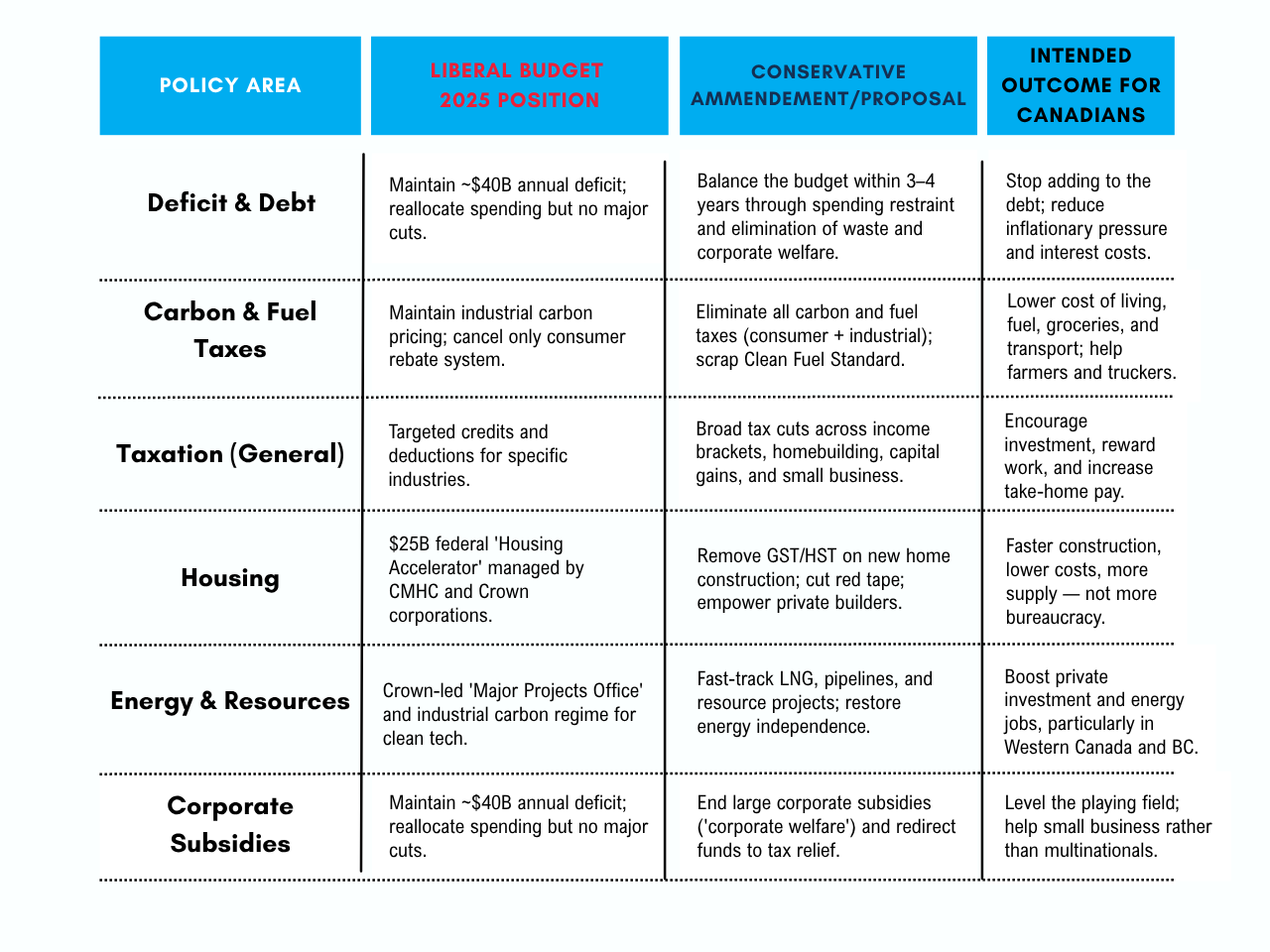
Our team has reviewed the 2025 Federal Budget, and unfortunately, the verdict is clear: it’s more borrowing, more debt, and fewer tangible results for Vancouver Islanders. The government is calling its record spending an 'investment'; however, each dollar borrowed today represents a resource that will not be available to address our local priorities in the future.
The budget adds billions in new spending and borrowing. The government calls it 'investment,' but the tens of billions in subsidies aren’t coming from private investors—they’re coming from taxpayers. Everything spent by Ottawa today means less room for core needs tomorrow—like new ferries built in Canada, improved healthcare, and stronger veterans’ support.
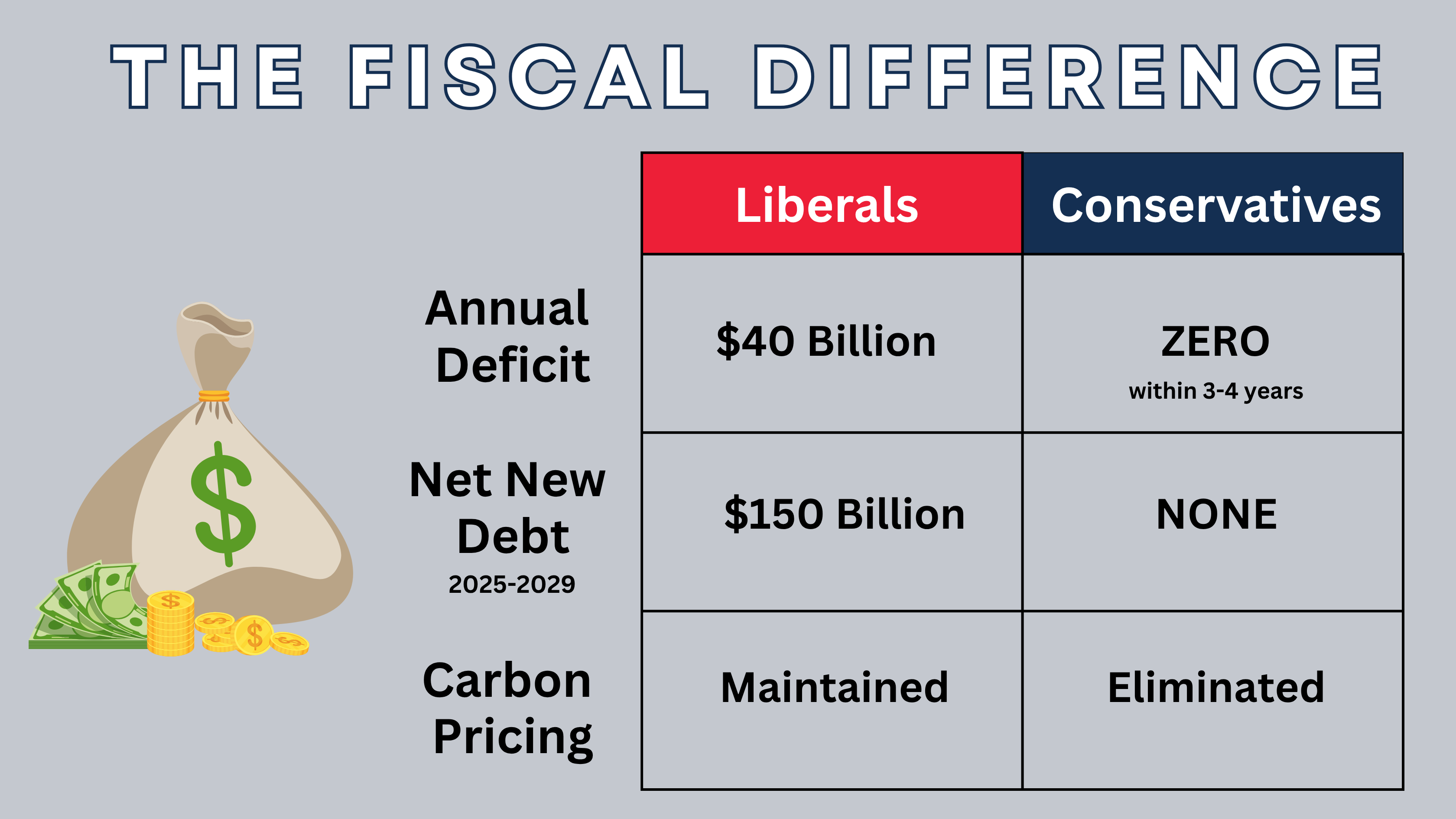
Canada’s national debt now exceeds $1.3 trillion, and interest payments are rising fast. Every dollar being borrowed today is a dollar not available for local priorities tomorrow. Islanders are paying more in taxes and getting fewer results.
 Housing: More Bureaucracy, Not More Homes
Housing costs are a crisis in our riding. We need faster construction and local solutions. Instead, Ottawa’s $25 billion "Housing Accelerator" sends money through central agencies and large pension funds for big-city projects.
There is no direct stream of funds for our local builders, small developers, or cooperatives that are ready to go. It means more federal officials managing construction from afar—more bureaucracy, not more homes.
 The Rising Cost of Debt
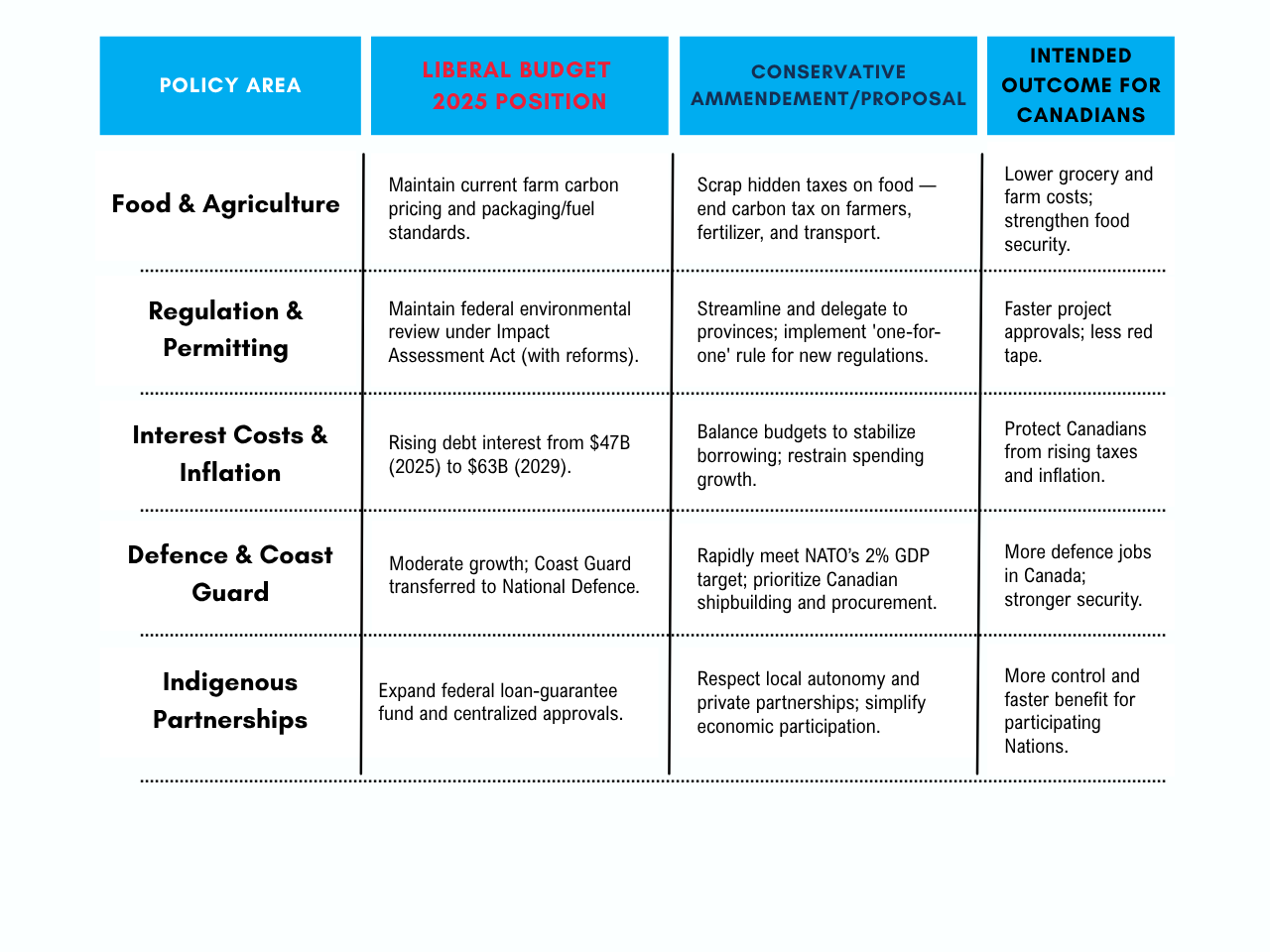
Canada's national debt now exceeds $1.3 trillion, and the interest payments are rising fast. That's money that could have been used to fund essential local needs like new Canadian-built ferries, improved healthcare, or stronger veterans’ support.
 Green Industry and Corporate Subsidies
More than $40 billion in so-called 'investment tax credits' will flow to large corporations—mostly in central and eastern Canada. Few Island-based manufacturers or forestry firms can access these programs, even though they’ll help pay for them through higher taxes.
 Defence and Shipbuilding
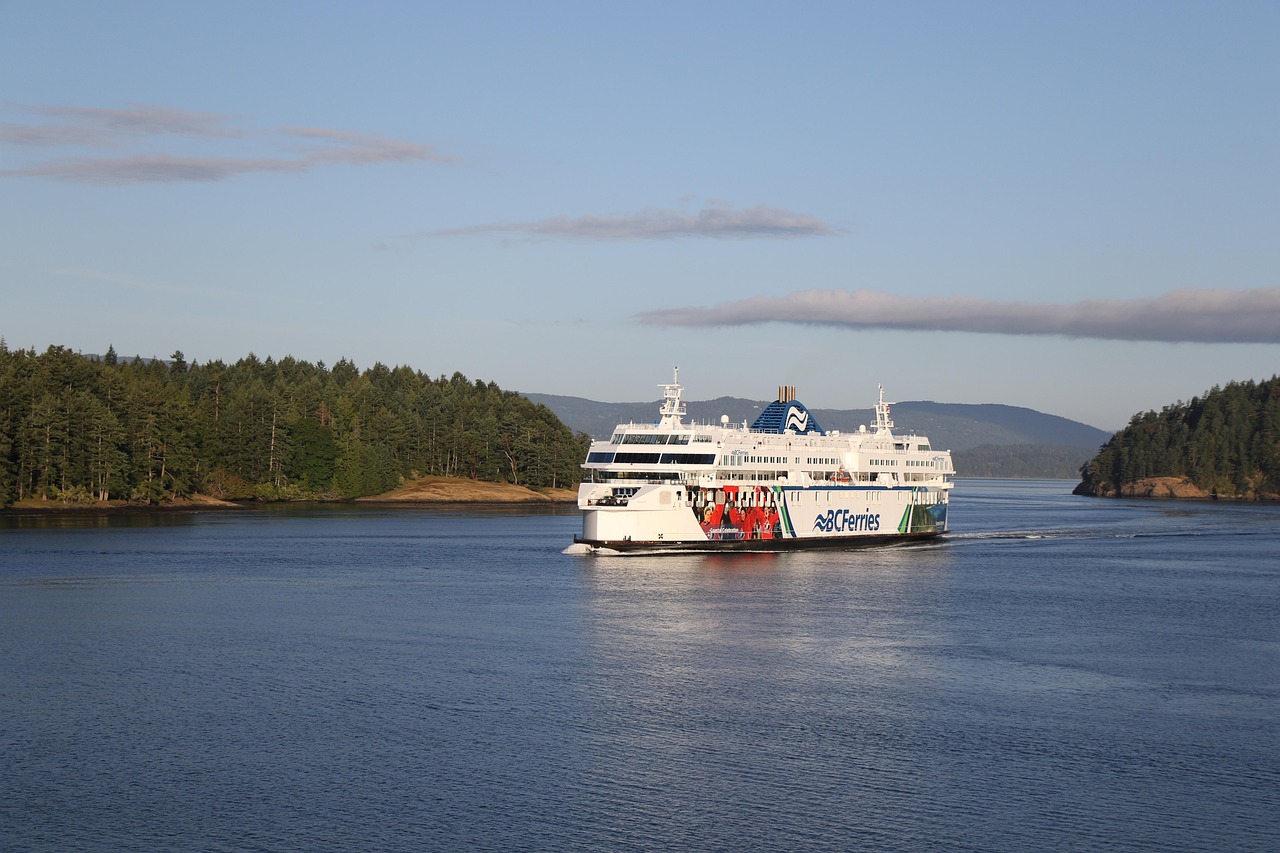
Despite talk of defence renewal, there’s no new plan to build Coast Guard or Navy vessels on the West Coast. That means no new shipyard jobs in Victoria and no Canadian-built ferries using Island trades and suppliers. The opportunity to strengthen our maritime sector was missed again.
 Indigenous and Regional Initiatives
The $5 billion Indigenous Loan Guarantee Program could help equity participation in national energy projects—but few Island Nations are in a position to benefit in the short term. Meanwhile, there are no new investments in housing or small-business development for local First Nations communities.
- Big programs and subsidies elsewhere—few direct benefits here.
- Ottawa controls the spending; local builders and trades wait.
- Islanders pay more and get less.
Our Plan: A Clear Choice for Islanders
We believe that Ottawa doesn’t have a revenue problem—it has a spending problem. When the Liberals say 'investment,' they mean spending your money. When Conservatives say investment, we mean freeing Canadians to invest their own.
Our approach would bring costs down and unleash local opportunity:
-
Abolish the Carbon Tax: Eliminate carbon pricing to lower costs for all families and businesses.
-
Balance the Books: Commit to a clear plan to balance the budget within 3–4 years, stabilizing interest payments and freeing up funds for local priorities.
-
Unleash Local Investment: Respect local autonomy on housing approvals and simplify economic participation for Indigenous communities, leading to more control and faster benefits.
Our Message To Our Communities
The Liberal budget borrows and spends; the Conservative amendments (shown below) would unleash private investment and create local jobs. Islanders would see lower costs, simpler housing approvals, and stronger regional industries — not Ottawa-run programs. The Conservative approach means less bureaucracy and more opportunity for families, small businesses, and communities.